
Store Development
Running a Fleet-Wide Technology Rollout Like a Construction Program
Across a few hundred stores, a new kiosk or charger becomes a few hundred small site projects. Each one needs power and data at the install point and a window the store will accept, and some need a permit as well.
Why a technology rollout behaves like construction
A self-checkout program usually starts in IT or operations. Someone picks the hardware and negotiates a national price, and the fleet gets a launch date before anyone has looked at a store. Then the first store survey comes back with a note that the front end has no spare circuit and the landlord wants drawings before anyone cores the slab.
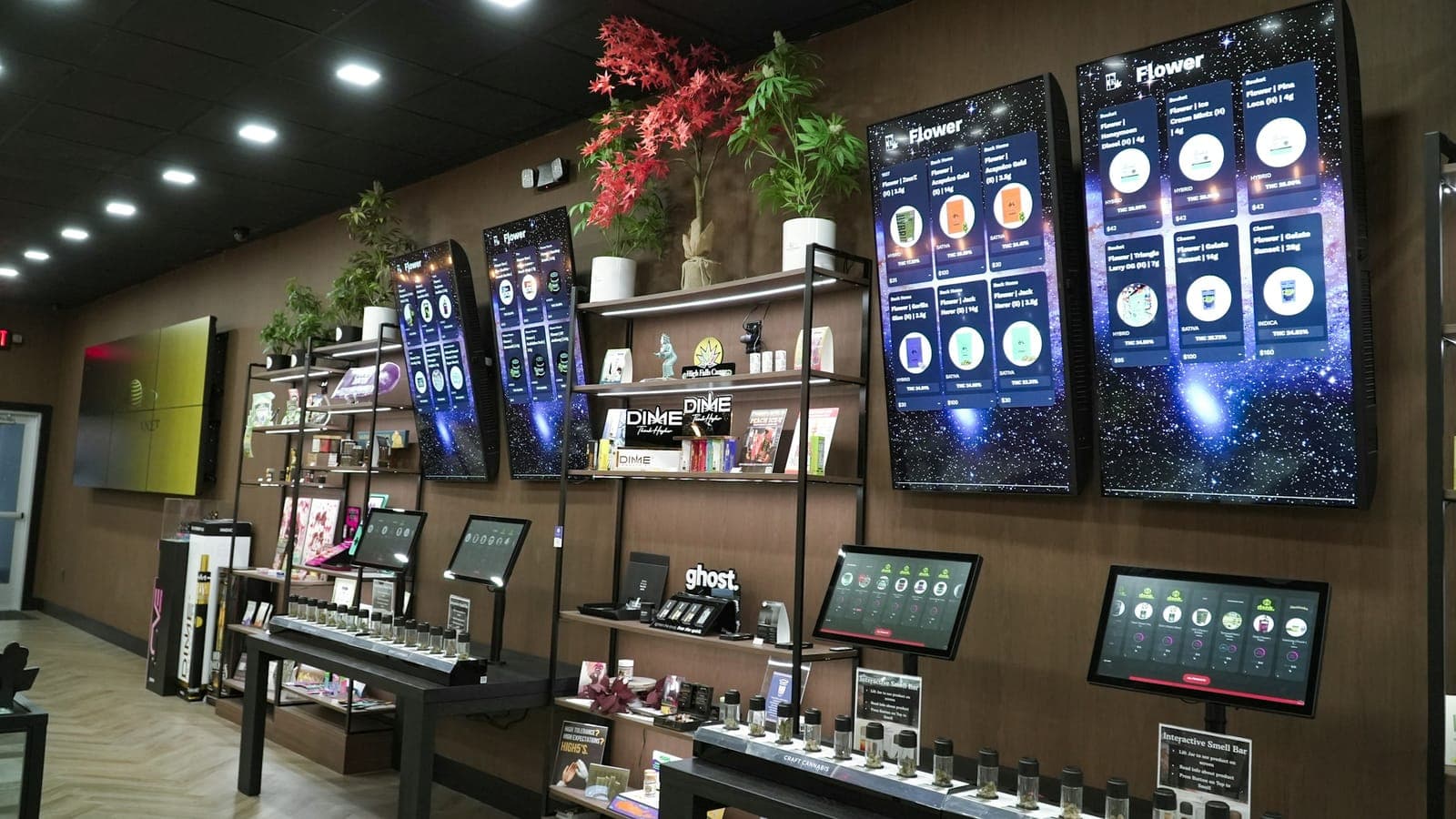
Most fleet technology programs end up in the same place, whether the equipment is a kiosk, a digital menu board, a POS refresh, a reach-in cooler swap or an EV charger in the parking lot. Each store needs power and data where the new equipment goes, an install window the store can live with, a crew that arrives with the right parts, and someone who confirms the equipment works before that crew leaves. Some jurisdictions also want an electrical permit. Repeat that across 400 stores and the program has the shape of a construction rollout, though it usually sits with IT or operations rather than with the construction team.
That ownership gap causes a lot of the trouble. Point-of-sale and security gear is commonly bought and installed by the retailer's own vendors on a schedule separate from construction, and the integrator needs conduit and power in place before it can mount anything. On many programs that conduit sits in no one's scope, which tends to come to light the week a store misses its install date.
The scope lives in the site survey
Every install starts from a gap between what the equipment needs and what the store already has, and a survey of each store is the only way to measure it. In a fleet built over 20 years across several prototypes, that gap rarely looks the same twice. One store has panel capacity and a clean cable path to the front end, while the store down the highway is already at a full panel and its lease requires landlord approval for any exterior penetration. The cabling contractor there cannot reach the deck without a lift.
EV charging shows the spread most plainly because the work leaves the building. Walmart opened its 100th company-owned fast-charging site in August 2026, across 20 states, and most of its locations carry 8 to 16 stalls delivering up to 400 kW. A site like that needs utility service sized for the load and a permit for trenching across a parking lot the store may share with other tenants. Often the utility sets the date. When IONNA, the charging network formed by eight automakers, marked its second anniversary in March 2026, it reported nearly 1,000 bays live and credited 43 different utilities with energizing its sites, 10 of which brought multiple locations online while 33 brought one each.
Refrigeration swaps carry a regulatory clock on top of the site conditions. EPA's Technology Transitions rule keys its limits for supermarket systems and remote condensing units to the date a system is installed, and new stand-alone units such as reach-ins have been held to a global warming potential (GWP) of 150 since January 1, 2025. A replacement that slips past a compliance date can force a re-spec of equipment already on order, which is why the survey for a refrigeration program records the charge size and system type at each store before anything gets scheduled.
The store decides when the crew can work
In an operating store, the install window belongs to store operations. Usually that means overnight or the slowest weekday morning, and menu board swaps happen after close. A POS cutover keeps the old system taking transactions until the new one is proven, and front-end work in a grocery store gets planned lane by lane so checkout stays open the whole time.
The holiday season closes most of those windows from mid-November into January, and software platforms lock down on the same calendar. Clover, the Fiserv point-of-sale platform, ran its 2025 code freeze from November 10, 2025 to January 4, 2026, to "ensure system stability, reliability, and security." Fall waves have to be booked in the summer to finish ahead of it, because a program that discovers the freeze in October already has crews scheduled and hardware sitting in a warehouse.
Under EPA's current rule, a new supermarket system installed on or after January 1, 2027 is held to a GWP limit of 1,400, an interim limit set in a May 2026 revision that is now being challenged in court, so a rack replacement that slides from November into January should have its specified refrigerant checked against that limit first.
Run it the way a store development team would
The technology programs that hold their dates borrow the habits that store development teams already use on remodels.
- Survey before you schedule. Send a surveyor or the install vendor's lead technician to every store and record panel capacity, the data path, mounting conditions, landlord restrictions and whether a permit is needed. Then sort the stores into scope tiers from what the survey found.
- Write one standard scope per tier. A straight equipment swap and an install that needs a new circuit and a permit are different projects, and each tier needs a separate schedule and vendor price.
- A national install vendor has a finite number of crews, so size each wave to them, since 40 stores in two weeks works only if 40 install nights are staffed. Lock each store's date with store operations once the crew is confirmed.
- When a jurisdiction requires an electrical permit or the utility has to upgrade service, that store's date depends on someone outside the program, and the dependency needs an owner on the schedule.
- Close each store with evidence. Before the crew leaves, someone confirms the equipment powers on, connects to the network and completes a test transaction or cycle, and the photos go on that store's record. Anything that fails becomes a punch item the vendor owns.
Keep the fleet view at the store level
With a few hundred stores in flight, status reporting drifts toward averages. A vendor reports the program as 70% installed, and nobody in the room can name the stores that are stuck or say what is holding each one. Track it per store instead. When every store moves through the same steps from survey to verification, a slip shows up at the store where it happened.
In RolloutIQ, a team can hold that sequence in a schedule template and apply it to each store's project from that store's own start date. The applied dates are kept as targets when the plan moves, so the stores drifting from the original program sit in plain view beside the ones on track.
The freeze is also a planning window for the next wave. Permit applications and utility service requests can move through December, since neither puts a crew on a sales floor, and the installs that missed their fall slot go into the first January waves.
Sources
The figures and dates cited in this article come from the following public sources.
- Walmart, Walmart Energizes 100th Store With EV Fast Charging in Monument, CO (August 21, 2026) - https://corporate.walmart.com/news/2026/08/21/walmart-energizes-100th-store-with-ev-fast-charging-in-monument-co
- IONNA via PR Newswire, IONNA Celebrates Second Anniversary (March 17, 2026) - https://www.prnewswire.com/news-releases/ionna-celebrates-second-anniversary-with-bold-moves-and-promises-filled-302715472.html
- US Environmental Protection Agency, Technology Transitions: HFC Restrictions by Sector (updated August 28, 2026) - https://www.epa.gov/hfcs/technology-transitions-hfc-restrictions-sector
- Clover (Fiserv), Announcing 2025 Clover Code Freeze - https://docs.clover.com/dev/docs/announcing-2025-clover-code-freeze
The Rollout
The Rollout, in your inbox
A founder's read on retail and multi-site store development. What the latest news means for your pipeline, and what we are building, every couple of weeks.

Written by
Nariman Shariat
Founder, RolloutIQ
Nariman has spent about 20 years opening stores, in the seat between the landlord, the architect, and the general contractor, across some of the largest retail and workplace fleets in the country. Along the way he built the internal platform that ran store development across a fleet, then rebuilt the same idea company after company. He founded RolloutIQ to give multi-site development teams the single source of truth he kept having to build by hand, and writes here about the work of opening and remodeling stores at scale.
More about NarimanKeep Reading
Related Articles
Continue exploring best practices for store development and construction management.
Managing FF&E and Owner-Furnished Equipment Across a Rollout
On a retail buildout, a big share of the budget is bought directly by the retailer and coordinated around the general contractor. Managing that owner-furnished stream is where rollouts quietly leak time and money.
Vendor Management Best Practices for Retail Buildouts
Your vendors make or break your rollout timeline. Learn how top retail operators manage vendor relationships, track performance, and build reliable trade networks.
Ready to Build Smarter?
See how RolloutIQ™ can streamline your retail and multi-site rollout program. Book a personalized demo with our team.