
Industry Trends
Walmart's 650-Store Remodel and the Return of the Occupied Build
Rebuilding hundreds of open, revenue-generating stores is a live-environment construction program, and it is operationally distinct from a ground-up rollout.
The News
Walmart plans to remodel more than 650 of its stores in 2026, a program the company frames as extending its Store of the Future format across the existing fleet. According to Walmart's corporate newsroom, the work spans both Supercenters and Neighborhood Markets and runs alongside roughly 20 new store grand openings scheduled for 2026 and early 2027.
The remodel number dwarfs the new-store count, and that is the story. As Supermarket News reported, the roughly 20 planned openings more than double the nine stores Walmart opened in 2025, yet even that growth is small next to 650-plus locations getting rebuilt while they stay open for business. The remodel volume is roughly flat with last year, which means Walmart has settled into a steady, high-volume refresh cadence rather than a one-time push.
Part of the program leans on what Walmart calls a rapid remodel. At select Neighborhood Markets the main sales floor closes for four weeks while the pharmacy and fuel station keep trading, a model the company began testing across six states this spring. The rest of the fleet gets reworked the harder way, in phases, with the doors open the whole time.
Why It Matters for Store Development Teams
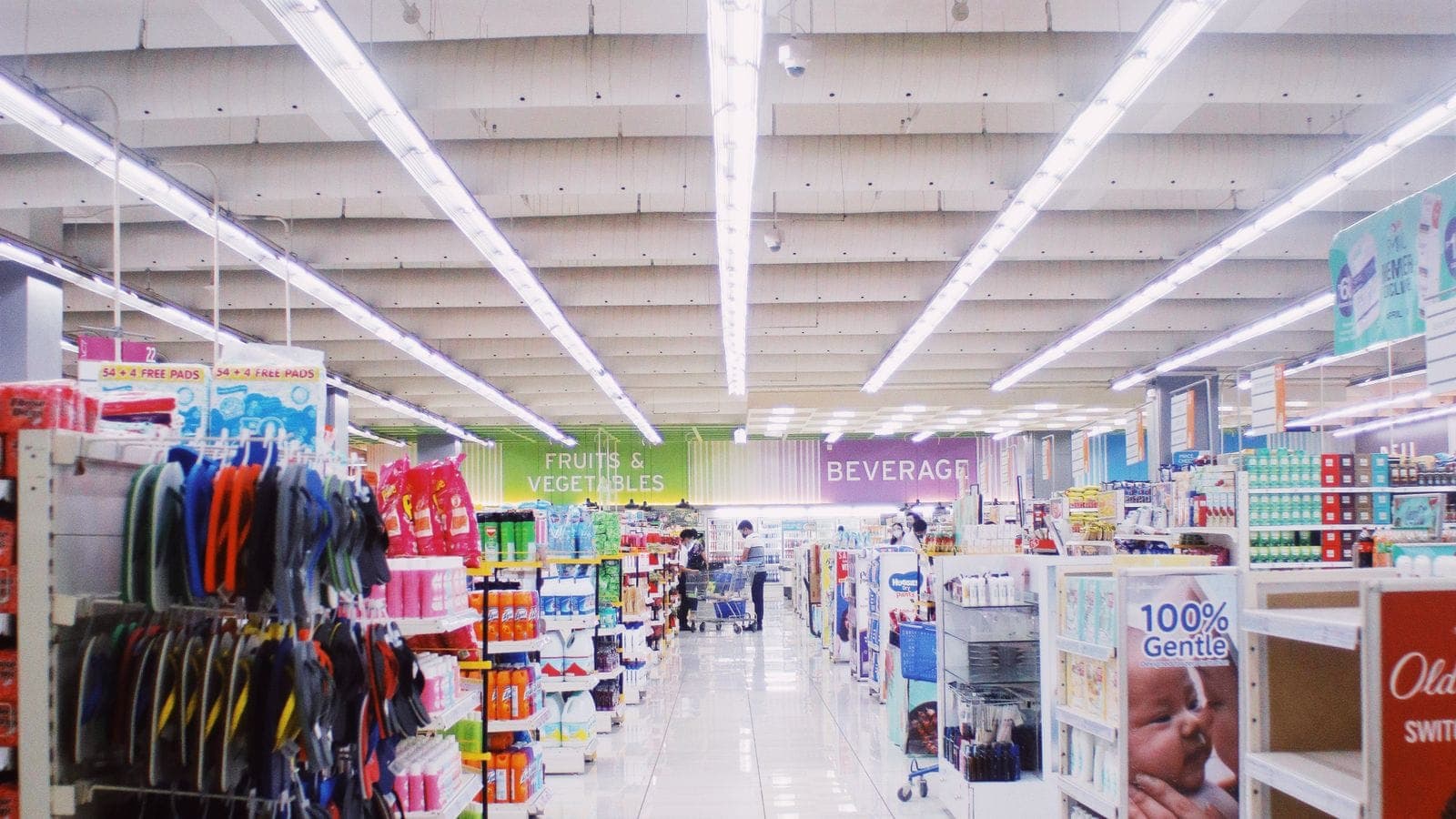
For anyone who runs store construction, the interesting part of Walmart's announcement is not the format. It is the delivery model. A ground-up store is built on an empty pad with no customers, no live inventory, and no revenue to protect. An occupied remodel is the opposite. You are rebuilding a building while it is still open, still stocked, and still ringing sales, and every decision bends around that constraint.
That changes the physics of the job. Work that a new build knocks out in a single continuous sequence gets sliced into night shifts, weekend windows, and department-by-department phases so the store never fully goes dark. Trades that would otherwise flow one after another now have to be choreographed around shoppers, around the parts of the floor that must stay merchantable, and around receiving docks that are still taking freight. Dust control, life-safety egress, and temporary barricades stop being afterthoughts and become daily planning items.
The result is counterintuitive. A remodel touches less scope than a new build, but it is often harder to run. The same work stretched across phased, off-hours windows takes meaningfully longer per store and demands far tighter coordination, because a mistake does not just delay a milestone, it disrupts a store that is trying to serve customers that afternoon. Walmart's four-week rapid remodel is essentially a bet that a short, decisive closure of the sales floor is easier to manage than months of stop-and-start phasing. That it keeps the pharmacy and fuel open even during that closure shows how hard retailers will work to avoid a full revenue interruption.
What This Reveals About 2026
Walmart is the largest and most visible example, but it is not an outlier. Across retail, 2026 is shaping up as a remodel-heavy year. Chains are pouring capital into existing locations rather than betting it all on new footprints, and the reasons are familiar to anyone tracking site costs. New sites are scarce and expensive, construction lead times on core equipment remain long, and an existing store already has traffic, a lease, and a customer base worth protecting.
For store development teams, that shift has a real operational consequence. The center of gravity moves from greenfield projects to occupied ones. A portfolio that used to be mostly new builds, each with the clean sequencing that an empty site allows, becomes a portfolio of live-environment jobs that each carry the phasing overhead described above. The skill that matters most is no longer just building fast. It is building around an operating business without breaking it.
Which stores earn that capital in the first place is its own portfolio question, the flip side of the same trend. Our look at how Macy's manages its store fleet as a portfolio is about deciding which locations to reimagine. This is about the harder half, executing the remodel once a store is chosen.
It also concentrates risk differently. When you run hundreds of occupied remodels at once, the failure mode is not a single blown opening date. It is dozens of stores simultaneously trading at reduced capacity, each losing a slice of daily sales for every week the work runs long. At Walmart's scale the arithmetic is stark, and it is why the company is testing a faster, more disruptive closure model rather than accepting drawn-out phasing across 650 sites.
What Operators Should Do
None of this is unique to Walmart. Any retailer running a refresh program at scale faces the same problem, and the same handful of disciplines separate the teams that do it well from the teams that leave a trail of half-open stores. Six practices matter most when the store never closes.
- Phase the work around trading hours from day one. Sequence the noisy, dusty, and egress-blocking tasks into overnight and low-traffic windows, and lock those windows with store operations before the crew mobilizes.
- Plan punch and closeout for a store that never goes dark. In an occupied remodel the punch list gets worked while customers are on the floor, so build in access rules, re-inspection timing, and a way to close items without ever having a vacant building.
- Protect the departments that have to keep earning. Walmart keeps its pharmacy and fuel trading even during a sales-floor closure, so decide up front which areas are non-negotiable and design the barricades, power, and life-safety plan around keeping them open.
- Budget the phasing premium honestly. The same scope run in off-hours phases costs more and takes longer than a closed remodel, so a plan priced and scheduled like a new build will run over on both.
- Run each remodel as its own project but watch them as one portfolio. With dozens or hundreds of occupied jobs live at once, you need site-level control and a portfolio view of which stores are trading at reduced capacity and for how long. Retail-native platforms such as RolloutIQ are built for this, running each remodel as a discrete project while rolling status up across the whole program.
- Stage materials and long-lead equipment against the phasing plan, not the calendar. A live store has no lay-down yard, so deliveries have to land in the specific window each phase can absorb them, or they clog a floor that still has to sell.
Sources
Every figure in this article traces to coverage published in 2026. The primary sources are below.
- Walmart Corporate Newsroom - https://corporate.walmart.com/news/2026/04/16/how-we-are-investing-in-our-stores-to-drive-speed-convenience-and-growth
- Walmart Corporate Newsroom - https://corporate.walmart.com/news/2026/03/13/moving-fast-to-serve-you-better-why-were-refreshing-your-neighborhood-market
- Supermarket News - https://www.supermarketnews.com/new-stores/walmart-plans-20-new-stores-650-remodels
The Rollout
The Rollout, in your inbox
A founder's read on retail and multi-site store development. What the latest news means for your pipeline, and what we are building, every couple of weeks.

Written by
Nariman Shariat
Founder, RolloutIQ
Nariman has spent about 20 years opening stores, in the seat between the landlord, the architect, and the general contractor, across some of the largest retail and workplace fleets in the country. Along the way he built the internal platform that ran store development across a fleet, then rebuilt the same idea company after company. He founded RolloutIQ to give multi-site development teams the single source of truth he kept having to build by hand, and writes here about the work of opening and remodeling stores at scale.
More about NarimanKeep Reading
Related Articles
Continue exploring best practices for store development and construction management.

What Macy's Reimagined Stores Reveal About Managing a Store Fleet as a Portfolio
Macy's reported that its reimagined stores are outpacing the rest of the fleet. The real takeaway is a portfolio one. The fleet ages unevenly, and deciding which stores to refresh is a capital-allocation discipline, not a maintenance afterthought.
The Complete Guide to Multi-Site Construction Management
Managing construction across multiple sites simultaneously requires a fundamentally different approach than single-project management. Here is your complete guide.
Scheduling a Retail Rollout Is a Team Sport
The schedule the whole team depends on usually lives in a file most of the team cannot open. Here is the case for one shared, role-scoped schedule that internal staff and outside partners work together.
Ready to Build Smarter?
See how RolloutIQ™ can streamline your retail and multi-site rollout program. Book a personalized demo with our team.