
Industry Trends
Grocery Is the Openings Engine of 2026, and the Hardest Format to Deliver On Time
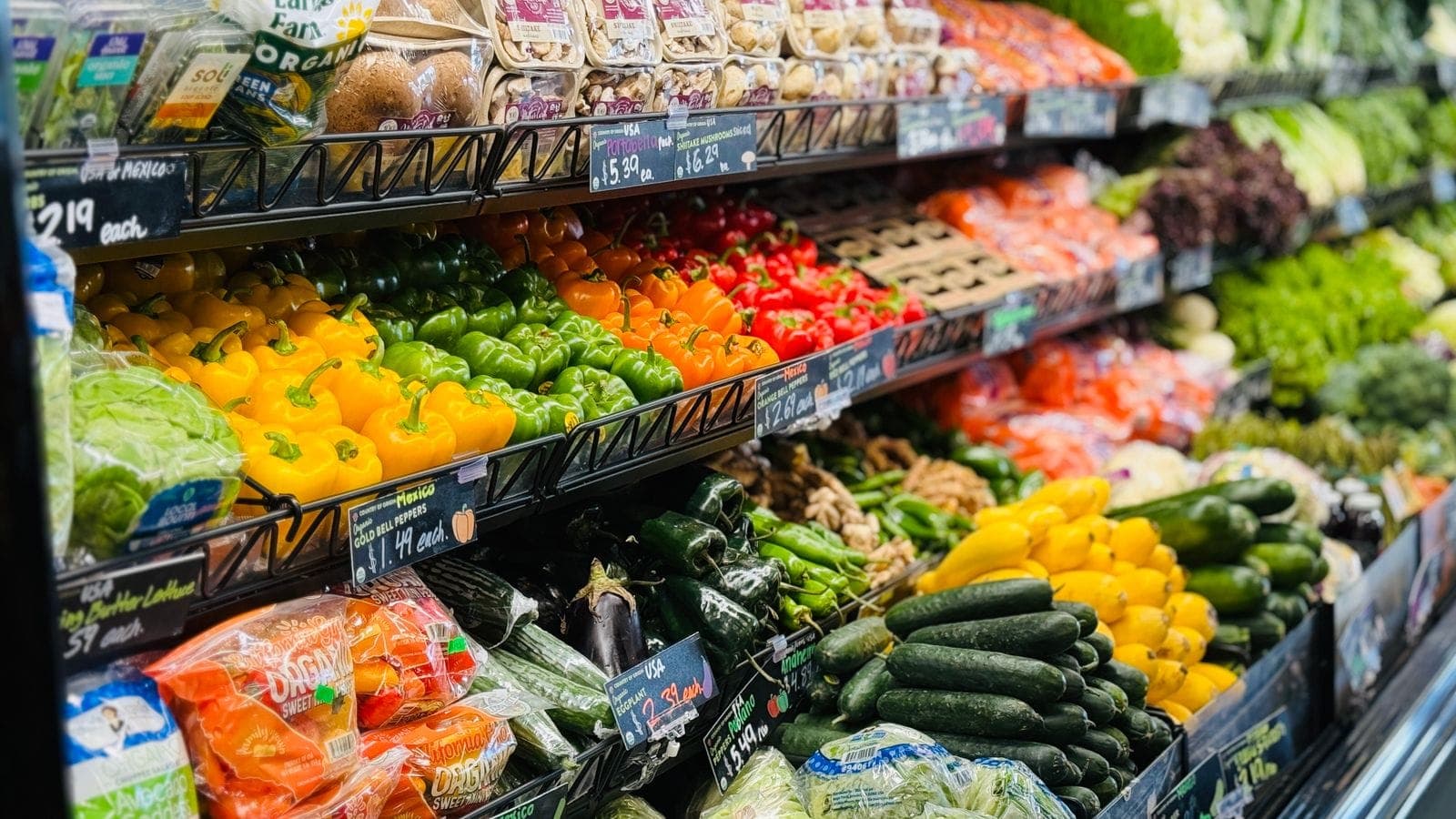
Aldi's 180-plus store plan and grocery-anchored development leading new construction point to the same operational reality. The busiest openings year in a while is also the most complex one to build.
The News
Aldi has told the market it plans to open more than 180 new stores across 31 states in 2026, a pace reported by Grocery Dive that would push the discounter to nearly 2,800 US locations on the way to a target of 3,200 by the end of 2028. The plan is not one program but several running at once. Aldi intends to convert roughly 80 Southeastern Grocers storefronts to its own format this year, with more than 200 conversions targeted by the end of 2027. It is opening its first stores in Maine, making it the chain's 40th state, and it is standing up new distribution centers in Florida and Arizona to feed the growth.
Aldi is not an outlier. In Dallas-Fort Worth, the most active grocery market in the country by the count of the people who track it, Weitzman reported that 82 percent of the 2.4 million square feet of new retail space delivered in 2025 was grocery-anchored, according to coverage in Bisnow. Eighteen supermarkets opened in the metro last year, and another 34 grocery stores are expected across 2026 and 2027. Weitzman projects 3.8 million square feet of new retail construction this year, the highest level of deliveries in DFW since 2018, with grocery pulling the largest share of it.
Why It Matters for Store Development Teams
The headline reads as demand. Read it again as a workload. Grocery is not just leading openings, it is one of the most construction-intensive retail formats there is, and a store development team that wins a grocery program inherits a materially harder delivery problem than the same team would face rolling out apparel or a small-format specialty concept.
Start with refrigeration and mechanical scope. A full-line grocery box carries walk-in coolers and freezers, refrigerated cases, condensing systems, and the specialized electrical and plumbing that serve them. That equipment is long-lead by nature, and it has to be ordered against an install window that sits months out, not weeks. Miss the order-by date on a refrigeration package and the opening slips for want of it, because there is no substitute box you can drop in at the last minute.
Layer on the sign-off problem. A grocery store touches a health department, not just a building department, and those two reviews run on separate tracks. The health review is its own plan review focused on food safety, followed by its own construction inspections of sink locations, food-contact surfaces, and refrigeration installations that the building inspector will not catch. Add a deli, bakery, or hot bar and the food-service scope grows. Add fuel and you inherit environmental and tank permitting. Add a pharmacy and you inherit board-of-pharmacy licensing on top of everything else. Every one of those is a parallel approval with its own clock, and the opening date cannot move until all of them clear.
What This Reveals About 2026
The tilt toward grocery and discount grocery is the defining feature of this openings cycle, and it changes the operational profile of a retail construction portfolio, not just its size. When most of your new-build volume was apparel or service retail, your critical path was usually the landlord's delivery condition and the permit. When most of your volume is grocery, your critical path is more often a piece of long-lead equipment or a specialty inspection that has nothing to do with how fast the general contractor can frame walls.
Weitzman's numbers make the scale concrete. A single metro absorbing 18 new supermarkets in one year and lining up 34 more over the next two is running many grocery builds concurrently, each competing for the same refrigeration vendors, the same MEP subs experienced in food retail, and the same overworked health-department reviewers. Aldi's plan multiplies that pressure across 31 states, each with its own permitting regime and, in many states, a different agency holding the food-establishment license. The operational implication is that success in 2026 depends less on how well you build one grocery store and more on whether you can see and sequence dozens of them at once without letting a long-lead slip or a missed inspection quietly take an opening date with it.
What Operators Should Do
If your 2026 program is grocery-heavy, the work is to protect the opening date against the specific ways a grocery box tends to slip. A few priorities stand out.
- Track long-lead refrigeration and equipment on a reverse schedule from each install window, not from the construction start. Walk-ins, condensing systems, and refrigerated cases need order-by dates calculated backward from when they have to be on site, and those dates often land before the general contractor even mobilizes.
- Sequence the health-department review as its own critical path, separate from the building permit. Plan for a distinct food-safety plan review and its own construction inspections, and file early enough that a correction cycle does not collide with your opening date.
- Map every specialty scope the format carries before you baseline the schedule. Fuel means environmental and tank permitting, a pharmacy means board licensing, a deli or bakery means added health scope. Each is a parallel approval with its own timeline, and none of them will wait for the others.
- Prequalify MEP and refrigeration trades that actually have food-retail experience, and lock them under program agreements early. In a concurrent grocery cycle, those subs are the constraint, and the teams that reserve capacity ahead of the crowd are the ones that open on time.
- Build portfolio-level visibility across every concurrent grocery build so a single slipping refrigeration order or a stalled health inspection surfaces as a portfolio risk, not a surprise the week before grand opening. A location-first platform such as RolloutIQ exists to make that cross-project view the default rather than something a team reconstructs from spreadsheets and email.
- Standardize the grocery opening checklist against your prototype so long-lead order dates, health milestones, and specialty permits instantiate automatically on every new store instead of being remembered store by store.
Sources
This article draws on the following reporting.
- Grocery Dive - https://www.grocerydive.com/news/aldi-180-new-stores-2026-expansion-distribution-centers-discounter/809240/
- Bisnow - https://www.bisnow.com/dallas-ft-worth/news/retail/weitzman-projects-grocery-anchored-retail-will-drive-dfw-to-4th-straight-year-of-record-occupancy-in-2026-132610
The Rollout
The Rollout, in your inbox
A founder's read on retail and multi-site store development. What the latest news means for your pipeline, and what we are building, every couple of weeks.

Written by
Nariman Shariat
Founder, RolloutIQ
Nariman has spent about 20 years opening stores, in the seat between the landlord, the architect, and the general contractor, across some of the largest retail and workplace fleets in the country. Along the way he built the internal platform that ran store development across a fleet, then rebuilt the same idea company after company. He founded RolloutIQ to give multi-site development teams the single source of truth he kept having to build by hand, and writes here about the work of opening and remodeling stores at scale.
More about NarimanKeep Reading
Related Articles
Continue exploring best practices for store development and construction management.
Optimizing Your Store Development Process from Site Selection to Grand Opening
Store development is one of the most complex workflows in retail operations. Learn how leading operators streamline every phase from site selection through grand opening.
Reducing Delays in New Store Openings: A Practical Guide
Every delayed store opening costs money in lost revenue, extended rent obligations, and team morale. Here are the practical strategies that top operators use to hit their dates.
Retail's 2026 Growth Is Conversion, Not Construction
As new retail construction falls in 2026, off-price and discount chains are expanding by taking over bankrupt competitors' leases. That growth looks like a rollout but runs like a portfolio of one-off conversions.
Ready to Build Smarter?
See how RolloutIQ™ can streamline your retail and multi-site rollout program. Book a personalized demo with our team.