
Construction Management
Coordinating a Multi-Site Retail Rollout
Running fifty store projects at once is a different job than running one well. Multi-site rollout coordination is about the problems that only show up at scale.
A rollout is a program, not a project
The instinct when a rollout grows is to do more of what worked on a single store. It does not scale, because the hard part of a multi-site rollout is not any individual build. It is the coordination across builds: the shared vendors, the shared equipment orders, the many jurisdictions, and the staggered opening dates that all interact.
The leverage in a rollout comes from treating it as one program with many instances rather than many unrelated projects. The same prototype, the same templates, and the same vendor pool are what let the tenth store go up faster than the first. Lose that repeatability and you are just running fifty first-time projects in parallel.

The coordination problems that only appear at scale
A handful of issues are nearly invisible on a single project and come to dominate a portfolio.
- Shared long-lead procurement. Rooftop units and switchgear with twenty-to-forty-week lead times have to be ordered against a portfolio of openings, not one store, or the same scarce equipment becomes the constraint on every site at once.
- Shared vendor capacity. The general contractors and specialty vendors you trust are a finite resource. Awarding the next store without knowing a vendor's existing commitments is how a portfolio backs into slips.
- Jurisdictional variation. A rollout across forty markets is forty permit processes, code editions, and review queues. The jurisdiction is often the strongest predictor of whether a given store opens on time.
- Staggered openings. Dozens of target opening dates, each with its own critical path, compete for the same people and the same equipment. The portfolio question is which date is genuinely at risk, not how any one store is doing.
Standardize what you can, localize what you must
Good multi-site coordination is a balance. The prototype, the scope, the templates, and the vendor relationships should be as standard as possible, because that is what creates the learning curve and the speed. The permit strategy, the signage approach, and the schedule defaults have to flex by jurisdiction, because the regulatory map does not care about your prototype.
The operators who do this well capture what they learn as institutional knowledge. A jurisdiction that took twelve weeks last time is a planning input next time. A vendor that struggled at capacity is a scheduling input on the next award. The program gets smarter with every store instead of relearning the same lessons.
See risk at the portfolio level
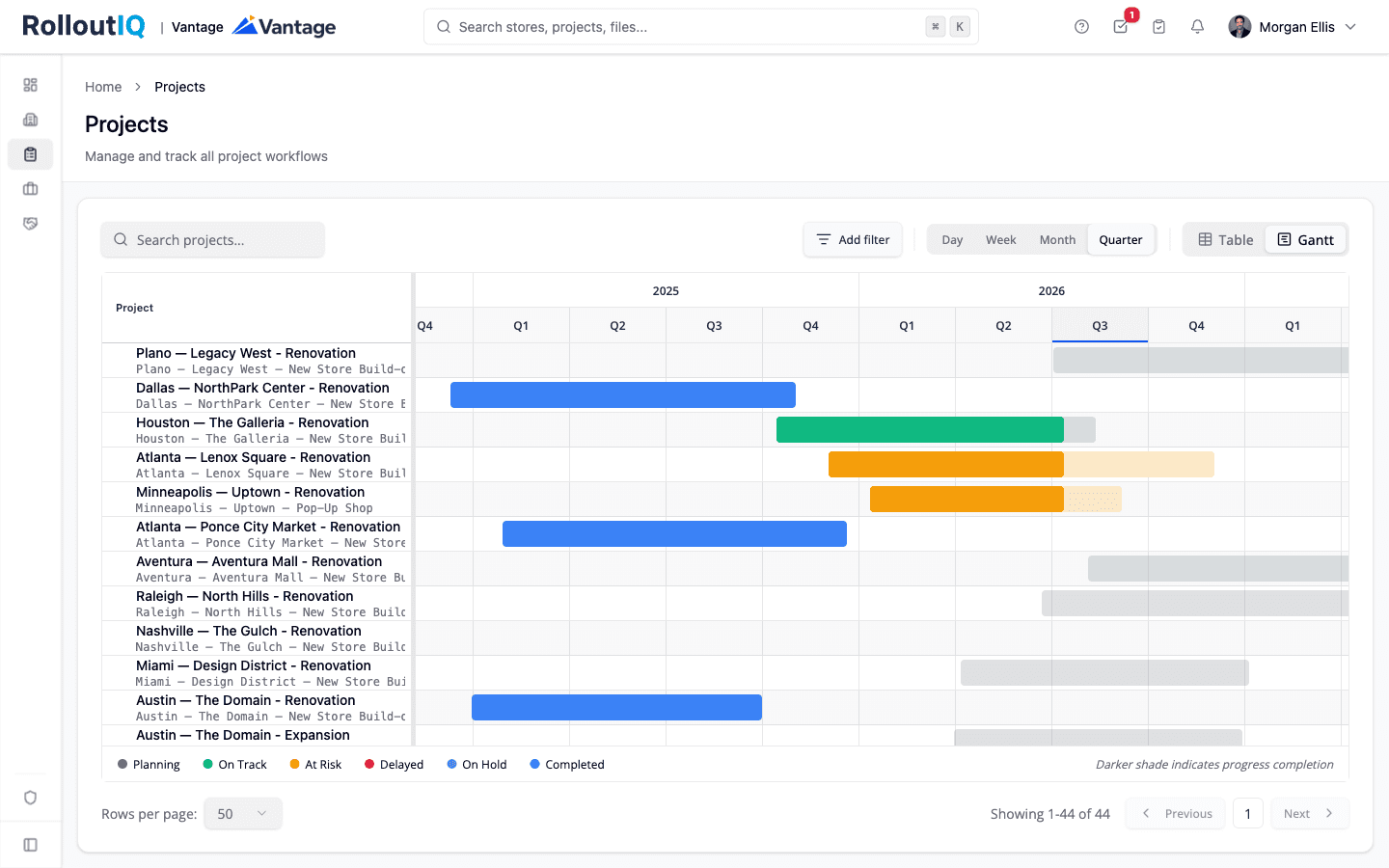
The thing a multi-site operator actually needs is not a better single-project tool. It is a portfolio view that surfaces the at-risk store before it costs an opening date.
That is where RolloutIQ™ focuses. Status, schedule health, and key opening dates roll up across every active project into one view, and permits live as first-class records on each project rather than as attachments, so a stalled sign variance or a slipping inspection is visible alongside the schedule and the vendor. The goal is simple. Spot the problem store while there is still time to do something about it.
Coordination is the whole job
On a single store, execution is most of the work. Across a portfolio, coordination is. The rollouts that run on time are the ones that treat the program as a single system: standard where standardization pays, local where the map demands it, and visible enough at the portfolio level that the team is acting on risk rather than discovering it.
The Rollout
The Rollout, in your inbox
A founder's read on retail and multi-site store development. What the latest news means for your pipeline, and what we are building, every couple of weeks.

Written by
Nariman Shariat
Founder, RolloutIQ
Nariman has spent about 20 years opening stores, in the seat between the landlord, the architect, and the general contractor, across some of the largest retail and workplace fleets in the country. Along the way he built the internal platform that ran store development across a fleet, then rebuilt the same idea company after company. He founded RolloutIQ to give multi-site development teams the single source of truth he kept having to build by hand, and writes here about the work of opening and remodeling stores at scale.
More about NarimanKeep Reading
Related Articles
Continue exploring best practices for store development and construction management.
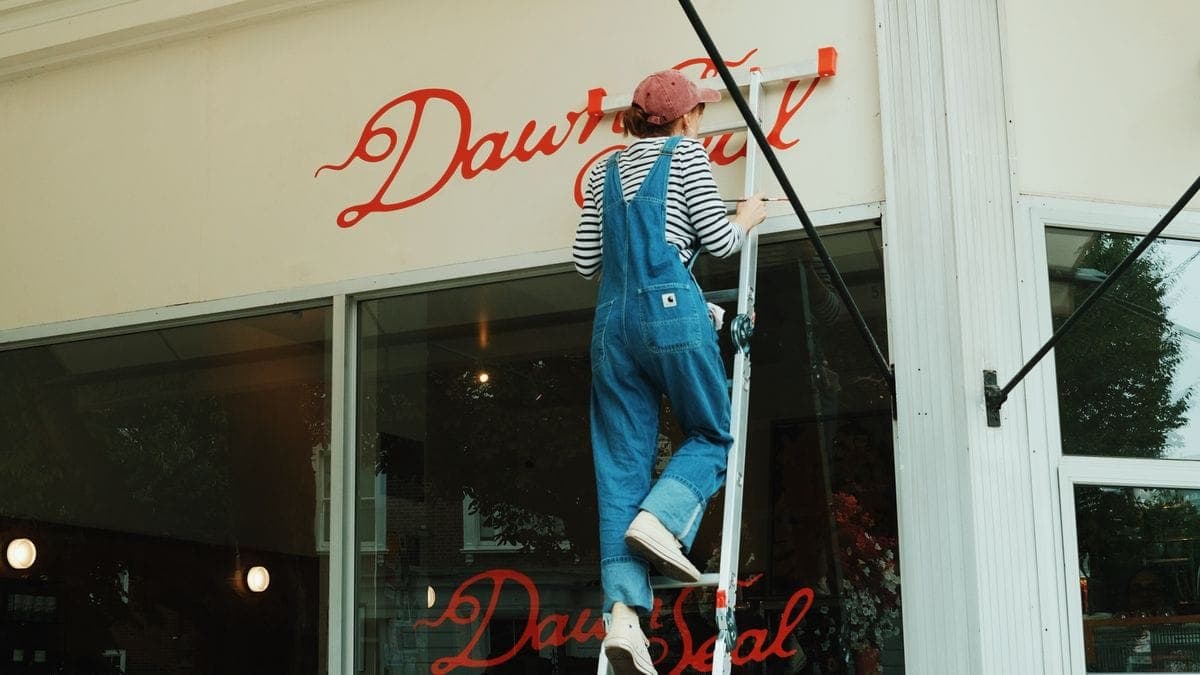
How to Manage a Signage Rollout Across Multiple Locations
Storefront signage is often the final approval before a grand opening and the one most likely to slip. A practical playbook for managing signage rollouts across a store portfolio.

The Retail Rollout Timeline: From Lease to Grand Opening
From lease execution to grand opening, a store project moves through a predictable set of milestones. Here is the retail rollout timeline by phase and format, and where the time actually goes.
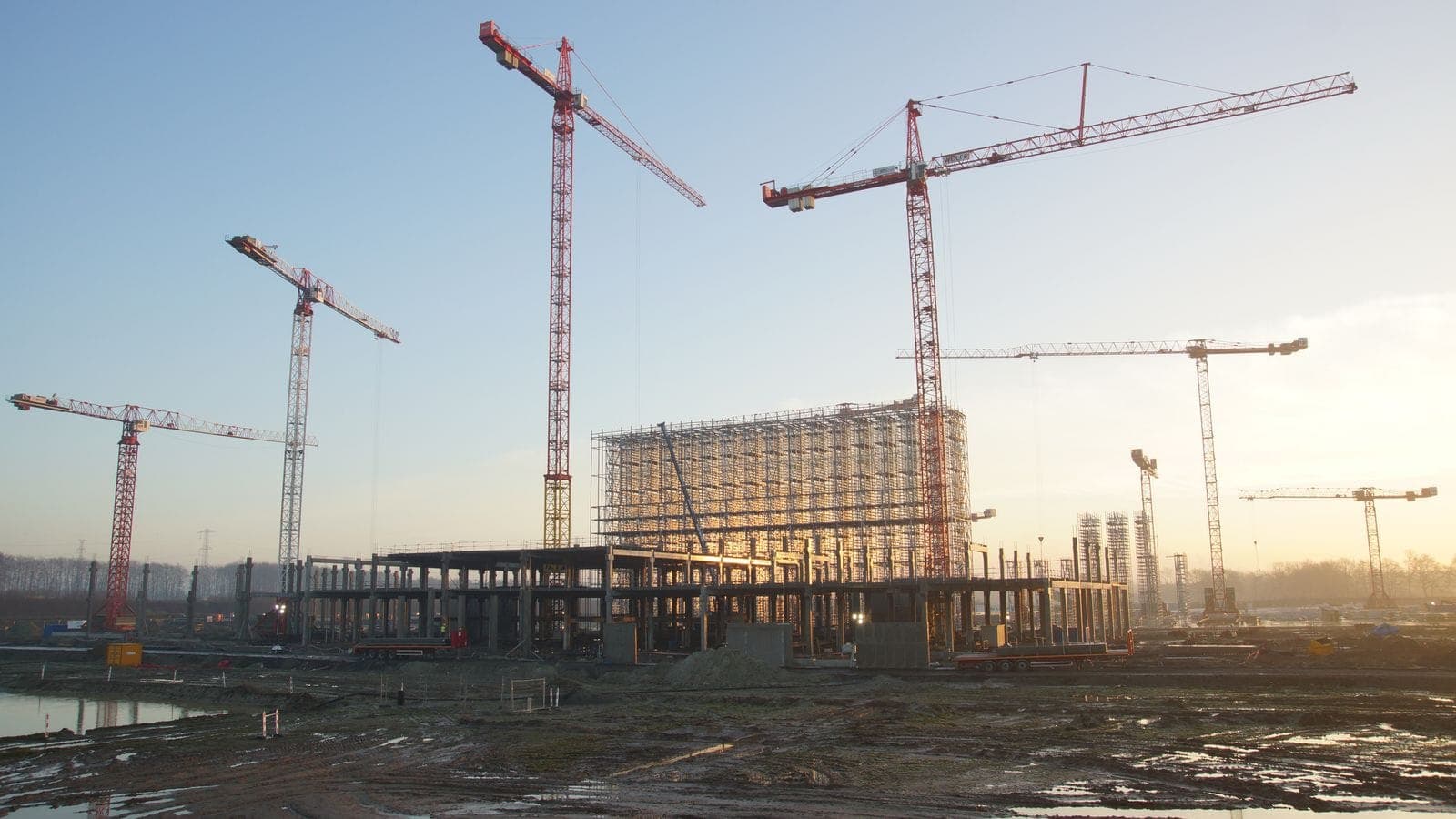
The Complete Guide to Multi-Site Construction Management
Managing construction across multiple sites simultaneously requires a fundamentally different approach than single-project management. Here is your complete guide.
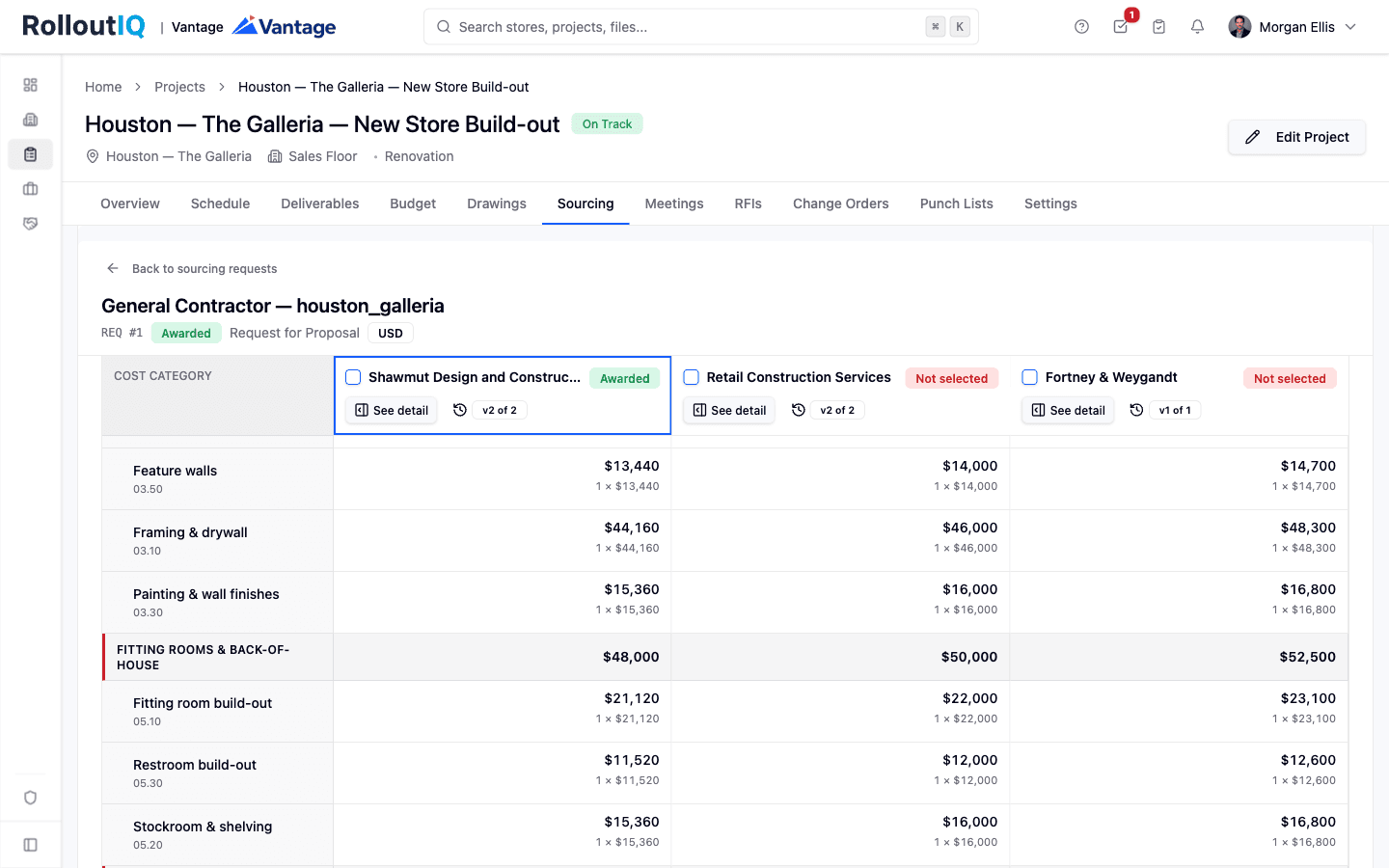
Bid Leveling: Where Your Real Construction Cost Is Decided
The lowest bid is rarely the lowest cost. Bid leveling, the work of making competing bids comparable, can eat 40 to 80 hours a project. Here is how multisite teams make competitive bidding fast, fair, and auditable.
Ready to Build Smarter?
See how RolloutIQ™ can streamline your retail and multi-site rollout program. Book a personalized demo with our team.