
Industry Trends
In a Mall In-Line Buildout, the Landlord Holds Your Schedule
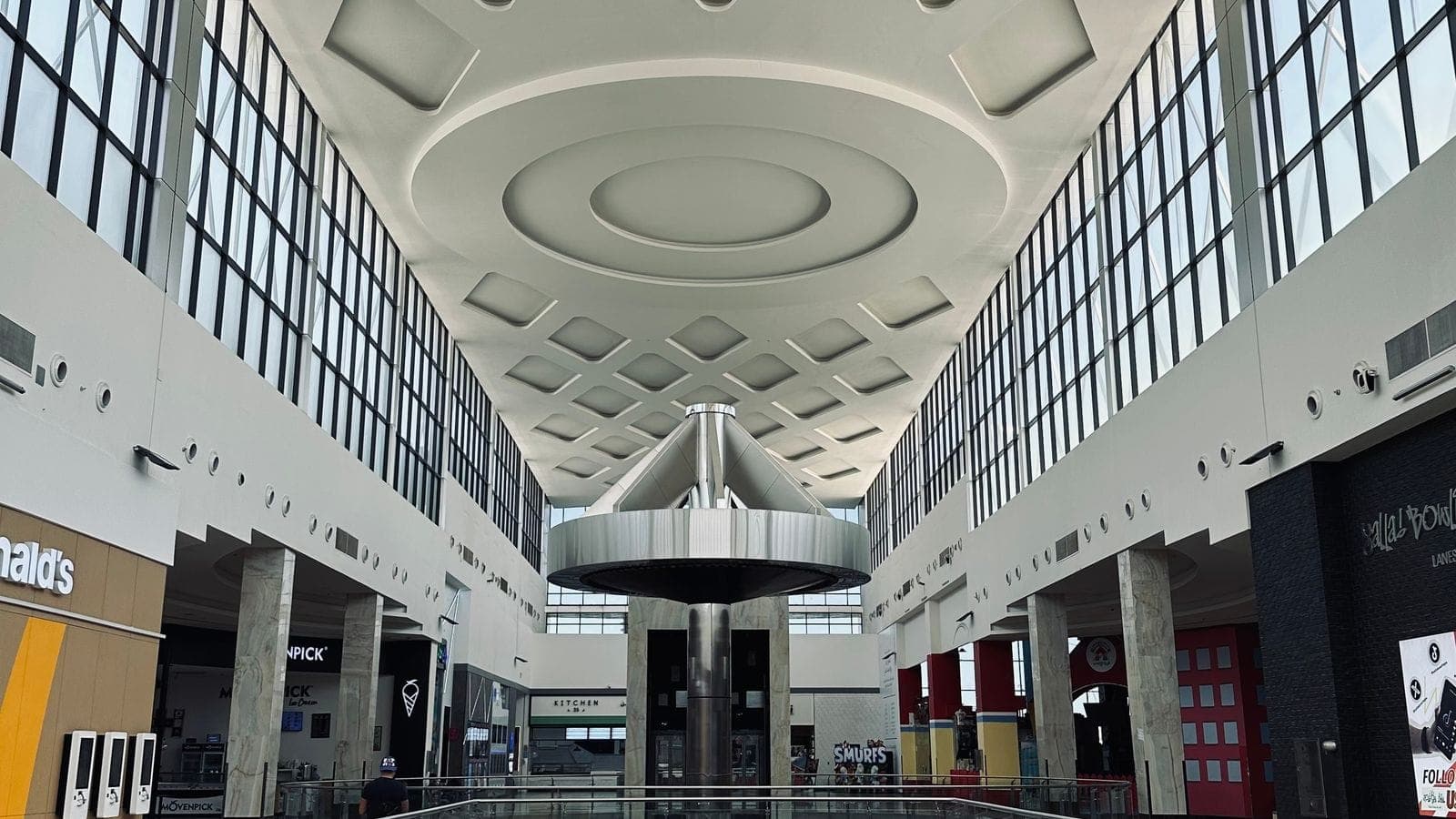
Specialty and experiential brands are scaling in 2026 by taking landlord-delivered in-line space at pace. The work letter and the landlord-versus-tenant scope split, not your GC, decide when you open.
The News
Pop Mart, the Chinese designer-toy and collectibles brand behind the Labubu craze, is scaling across American malls at speed. According to Inside Retail and RetailWire, the company will open more than 20 new stores at Simon Property Group malls and outlet centers in 2026 under a multi-center deal that includes flagship space at the King of Prussia mall outside Philadelphia. That push will carry Pop Mart past 60 brick-and-mortar locations across the United States and Canada. Simon's head of national business development, Zachary Beloff, described the brand as an exciting and complementary addition to the portfolio.
Pop Mart is not the only specialty brand growing this way. Mango, the Spanish apparel retailer, has been adding more than 20 company-owned US stores a year and expects the country to become one of its three largest markets by 2026, according to Retail Dive. Both brands are expanding through the same channel. They are taking landlord-delivered in-line space inside malls and shopping centers, many of them at once, across many different centers and landlords.
Why It Matters for Store Development Teams
When you build a freestanding pad or a ground-up store, your general contractor controls the critical path and your team owns the schedule. A mall in-line store is a different animal. The landlord delivers the space in an agreed condition, and a work letter attached to the lease divides the scope element by element. Everything the landlord does not explicitly commit to build defaults to your scope, reimbursable only from a tenant improvement allowance that rarely covers the full buildout.
That makes two documents more powerful than your GC. The first is the delivery condition, the shorthand that says whether you are getting a cold shell, a warm shell, a vanilla shell, or something closer to turnkey. Those terms are colloquial and disputed when they are left as free text, which is why the second document, the work letter, has to spell out landlord's work versus tenant's work line by line. HVAC tonnage, electrical amperage and phase, gas capacity, water and sewer stubs, fire sprinkler mains, storefront glazing, and restroom finishing all have to be named. A single misread, warm shell in the letter of intent that quietly became grey shell in the final lease exhibit, becomes an immediate budget overrun and weeks of added schedule.
The delivery date is just as unforgiving. Your fixturing clock and your rent commencement date are usually derived from when the landlord tenders the premises. If the landlord delivers late or delivers incomplete, your opening moves whether or not your own crews are ready. The landlord holds your schedule, and the only leverage you have is what the lease already gave you, day-for-day extensions, per-diem penalties, deemed-approval windows on drawing submittals, and an outside delivery date with real remedies behind it.
What This Reveals About 2026
The Pop Mart and Mango stories point to a coordination problem that is quietly reshaping store development. Growing through landlord-delivered in-line space is not the same discipline as running your own construction program. Each center comes with its own landlord, its own tenant coordinator, its own tenant design criteria package, and its own delivery condition. Simon publishes design control zones and MEP connection procedures that differ from Brookfield's or Macerich's. A brand opening 20 in-line stores in a year is not managing one buildout 20 times. It is managing 20 different landlord-driven handoffs, each with a distinct scope split and a distinct approval clock.
The highest-leverage risk in that portfolio is also the most overlooked. It is not the drywall or the millwork. It is the work letter and the landlord-versus-tenant scope split, because that is where surprise cost and schedule slip actually originate. A restaurant or experiential concept that needs three to five times the HVAC tonnage of a standard apparel box will not discover the shortfall on the site walk. It discovers it in the work letter, if anyone with construction eyes read the work letter before signing. Multiply that across a dozen centers and the pattern is clear. The brands that scale cleanly in 2026 are the ones treating the lease and the work letter as structured, trackable data rather than a PDF filed after signing.
What Operators Should Do
If your growth plan leans on landlord-delivered in-line space, the discipline is portfolio-level coordination of many landlord-driven handoffs, not project-level heroics. A retail-native platform such as RolloutIQ is useful here precisely because it models the lease, the work letter, and the landlord delivery condition as structured data and gives visibility across every in-line buildout at once, but the practices below matter even if you never name a tool. Six moves separate the teams that open on time from the ones that absorb surprise cost.
- Get construction eyes on the work letter before you sign. The person who has to build the store should read the landlord-versus-tenant scope split while the terms are still negotiable, not after the lease is executed and every gap becomes your cost.
- Capture the delivery condition as structured data, element by element. Record HVAC tonnage, electrical amperage and phase, gas capacity, water and sewer, sprinklers, storefront, and restrooms as fields, not as the words cold shell or warm shell, so a shortfall is legible before demolition begins.
- Track the landlord delivery date as a hard dependency. Tie your fixturing and rent commencement clocks to it, and hold the landlord to the outside delivery date with the day-for-day extensions, per-diem penalties, and deemed-approval windows the lease already gives you.
- Standardize an in-line buildout playbook you run at every center. Each landlord has its own tenant coordinator, design criteria, and approval cadence, so a repeatable checklist for handoff, drawing submittal, and delivery inspection keeps 20 openings from becoming 20 improvisations.
- Coordinate landlords and centers at the portfolio level. Watch every delivery date, allowance draw, and approval SLA on one board so a chronically late landlord or a stalled work letter surfaces as a pattern, not as a fire drill at one store.
- Protect the TI allowance and hold delivery milestones. The allowance has an outside requisition date and forfeits if you miss it, so track draw conditions and landlord milestones together and invoke your remedies the moment a delivery slips.
Sources
Every figure in this article traces to a source we fetched and verified. The specific claim that Simon is more than doubling its Pop Mart centers to roughly 21 properties could not be confirmed from an accessible source, so we anchored on the verified figure of more than 20 new stores at Simon malls and outlet centers in 2026.
- Inside Retail Asia - https://insideretail.asia/2026/01/29/pop-mart-to-expand-across-us-malls/
- RetailWire - https://retailwire.com/daily/pop-mart-plans-major-expansion/
- Woodcliff LLC - https://www.woodcliffllc.com/blog/2026/1/20/pop-mart-has-a-multi-center-deal-with-simon-to-expand-throughout-the-us
- Retail Dive - https://www.retaildive.com/news/mango-us-expansion-stores/734160/
The Rollout
The Rollout, in your inbox
A founder's read on retail and multi-site store development. What the latest news means for your pipeline, and what we are building, every couple of weeks.

Written by
Nariman Shariat
Founder, RolloutIQ
Nariman has spent about 20 years opening stores, in the seat between the landlord, the architect, and the general contractor, across some of the largest retail and workplace fleets in the country. Along the way he built the internal platform that ran store development across a fleet, then rebuilt the same idea company after company. He founded RolloutIQ to give multi-site development teams the single source of truth he kept having to build by hand, and writes here about the work of opening and remodeling stores at scale.
More about NarimanKeep Reading
Related Articles
Continue exploring best practices for store development and construction management.

The Retail Rollout Timeline: From Lease to Grand Opening
From lease execution to grand opening, a store project moves through a predictable set of milestones. Here is the retail rollout timeline by phase and format, and where the time actually goes.
Reducing Delays in New Store Openings: A Practical Guide
Every delayed store opening costs money in lost revenue, extended rent obligations, and team morale. Here are the practical strategies that top operators use to hit their dates.
Vendor Management Best Practices for Retail Buildouts
Your vendors make or break your rollout timeline. Learn how top retail operators manage vendor relationships, track performance, and build reliable trade networks.
What the Fitness-Led Mall Rebound Means for Your Build Pipeline
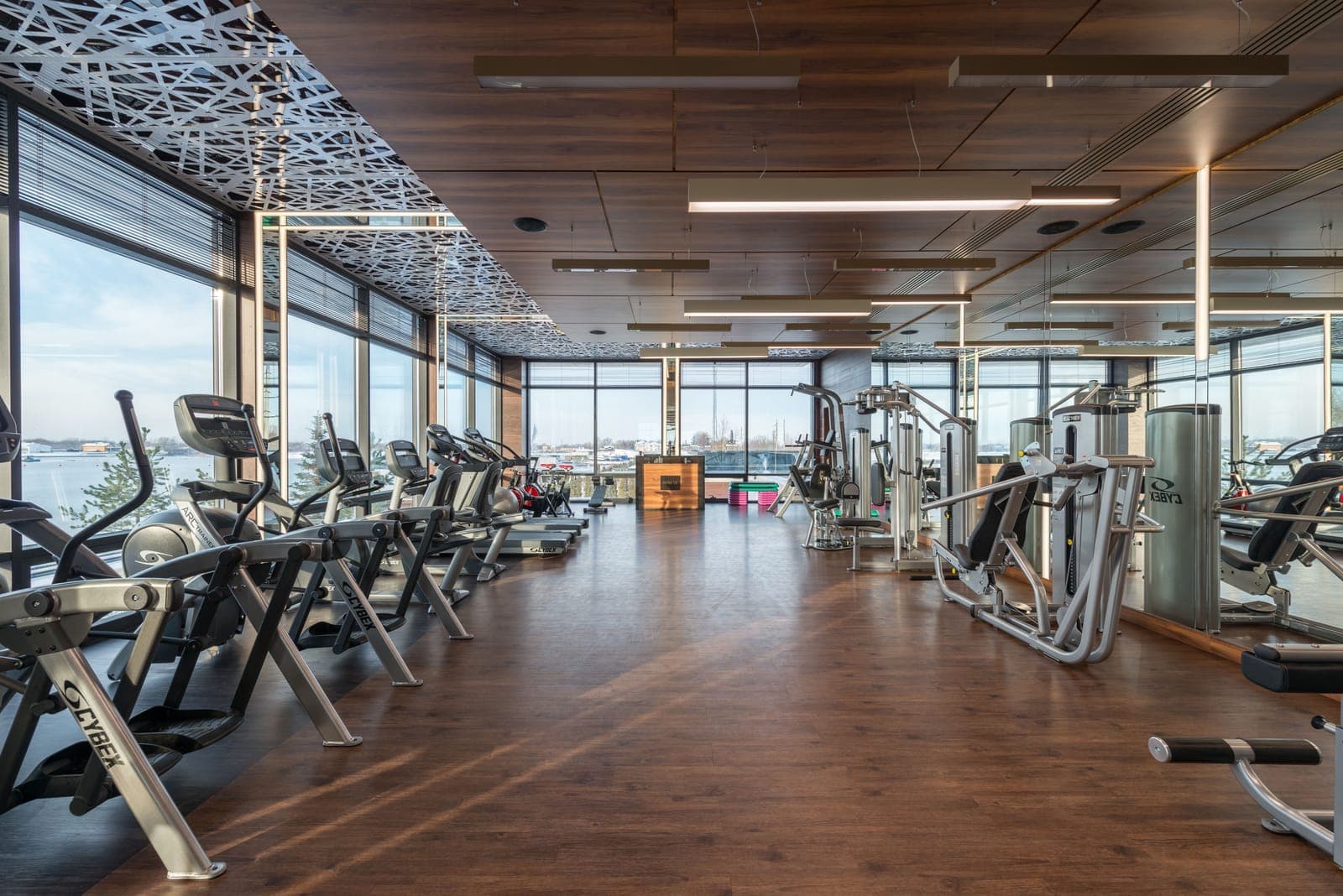
Malls are the best-performing slice of US commercial real estate again, and fitness and wellness tenants are much of the reason. For store development teams, the growth is shifting toward gym and wellness buildouts, which carry heavier mechanical, plumbing, and equipment demands than the goods stores they replace. Riding that wave well is a construction problem.
Ready to Build Smarter?
See how RolloutIQ™ can streamline your retail and multi-site rollout program. Book a personalized demo with our team.