
Industry Trends
Retail Store Openings Are Rising Into a Construction Slowdown
The 2026 forecasts have retailers opening more stores even as new construction drops off. That combination changes where store growth happens, and what it takes to deliver it.
What the 2026 forecasts say
The retail real estate outlooks for 2026 that ICSC gathered this year pull demand and supply apart. On the demand side, Telsey Advisory Group projects store openings excluding restaurants to grow 1.4% in 2026, up from 0.7% the year before, with off-price, beauty, and discount leading the way. Aldi alone plans to add more than 180 stores across 31 states.
The supply side is tighter. Colliers expects new retail construction to fall about 37% in 2026, and a shortage of space to push rents up around 1.5% nationally. Newmark sees deliveries hitting historical lows, with the construction starts that do happen skewing toward redevelopment rather than ground-up projects. CoStar puts quarterly net absorption near 3.8 million square feet, well under the 9.8 million average of the prior five years.
Where the new stores land
Put the two halves together and the arithmetic is awkward. Retailers want to open more locations, and there is less new space being built to open them in. When appetite rises while construction falls, the new stores end up in buildings that already stand. Most of the stores opening in 2026 will fill second-generation boxes a previous tenant left behind, plus the redevelopments and backfills of centers that still have vacancy.
That shifts the binding constraint for a development team. A ground-up year lets capital and prototype pace set your speed. When new construction is falling by more than a third and standing space is scarce, your speed instead depends on whether you can find and turn around an existing building faster than the next operator chasing the same box, and the teams still waiting on new construction never get a shot at those locations.
Building in someone else's box is the harder job
There is a reason the industry treats a second-generation build as more than a cheaper ground-up one. An existing building comes with existing conditions, and those rarely reveal themselves until demolition starts. You inherit the prior tenant's mechanical and electrical work, which may or may not suit yours, and a landlord's stated delivery condition rarely matches the real state of the space. Permitting an older or occupied building can trigger code upgrades a new shell never faces, and a change of use can restart approvals entirely.
Those existing-conditions problems are familiar. What has changed is how much of a 2026 program runs on them. A team built around a repeatable ground-up prototype, with a schedule template tuned to greenfield, meets a portfolio where more of the work is one-off and driven by the conditions of each jurisdiction, which strains a playbook that was built for a boom.
What development teams should do
For teams planning 2026 programs against these forecasts, the shift toward existing space changes what the work rewards. The common thread is coordination. A conditions-heavy year throws off more concurrent and dissimilar work than a run of identical prototypes, and a program that holds its sites, schedules, permits, and vendor history in one place, the way a platform like RolloutIQ is built to, absorbs that better than one running each opening on its own. That points to a few concrete adjustments.
- Treat site availability as the scarce input, and keep a pipeline deep enough that a lost building does not cost a quarter
- Front-load existing-conditions diligence, because the cost and schedule risk in second-generation space hides in the mechanical, electrical, and structural realities a lease does not describe
- Keep a per-jurisdiction permitting record, since older buildings and changes of use trigger reviews a new shell avoids
- Run the portfolio as one program rather than a stack of one-off projects, because a year of small, conditions-driven builds carries more concurrent moving parts than a run of identical prototypes
Sources
The forecasts cited in this article were compiled by ICSC from the analysts named below.
- ICSC, 11 Retail Real Estate Predictions for 2026 (compiling Telsey Advisory Group, Colliers, Newmark, and CoStar forecasts) - https://www.icsc.com/news-and-views/icsc-exchange/11-retail-real-estate-predictions-for-2026
The Rollout
The Rollout, in your inbox
A founder's read on retail and multi-site store development. What the latest news means for your pipeline, and what we are building, every couple of weeks.

Written by
Nariman Shariat
Founder, RolloutIQ
Nariman has spent about 20 years opening stores, in the seat between the landlord, the architect, and the general contractor, across some of the largest retail and workplace fleets in the country. Along the way he built the internal platform that ran store development across a fleet, then rebuilt the same idea company after company. He founded RolloutIQ to give multi-site development teams the single source of truth he kept having to build by hand, and writes here about the work of opening and remodeling stores at scale.
More about NarimanKeep Reading
Related Articles
Continue exploring best practices for store development and construction management.
Retail's 2026 Growth Is Conversion, Not Construction
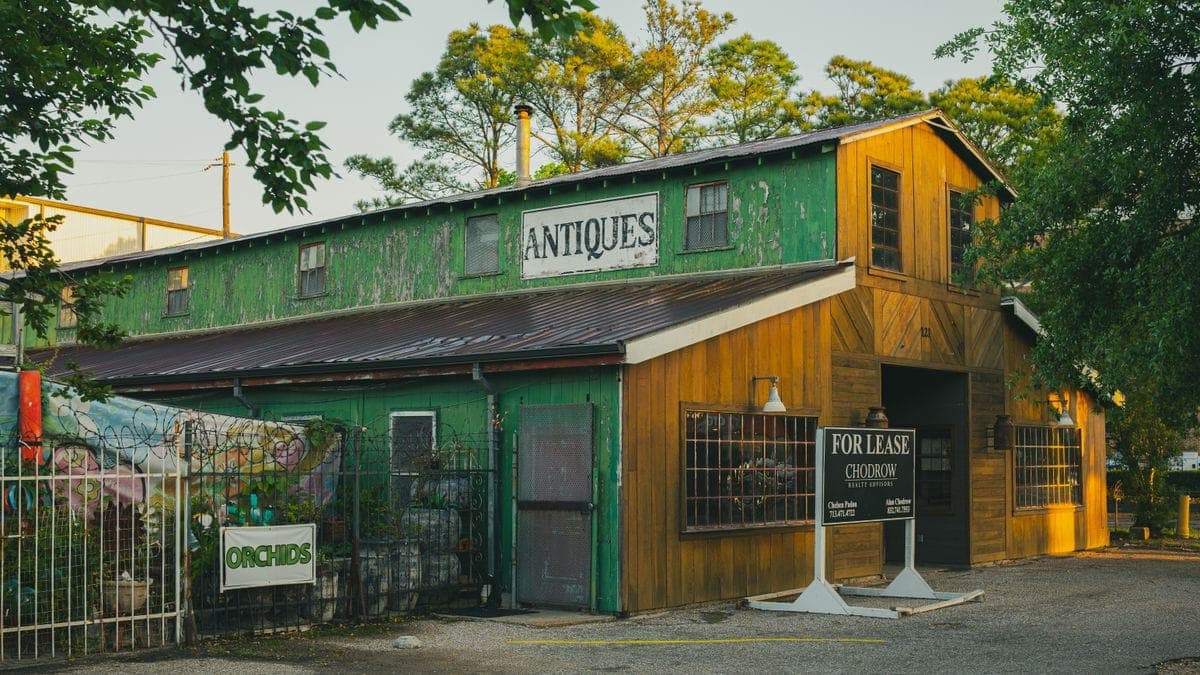
As new retail construction falls in 2026, off-price and discount chains are expanding by taking over bankrupt competitors' leases. That growth looks like a rollout but runs like a portfolio of one-off conversions.
Walmart's 650-Store Remodel: Why the Occupied Build Is Harder Than the New One
Walmart plans more than 650 store remodels in 2026 against about 20 new openings. The occupied remodel, rebuilt while the store keeps trading, is the harder program to run, and 2026 is full of them.

A Retail Permitting Playbook, Built Jurisdiction by Jurisdiction
Permitting sits on the critical path before a single wall goes up, and every jurisdiction runs its own process. Multisite operators who move fastest turn hundreds of local processes into a playbook they reuse.
Grocery Is Leading 2026 Store Openings, and It Is the Hardest Box to Open on Schedule
Aldi is opening more than 180 stores this year and grocers built the majority of new retail space in the country's most active market. Grocery is the openings engine of 2026, and also the most construction-intensive box a store development team can be asked to deliver.
Ready to Build Smarter?
See how RolloutIQ™ can streamline your retail and multi-site rollout program. Book a personalized demo with our team.