
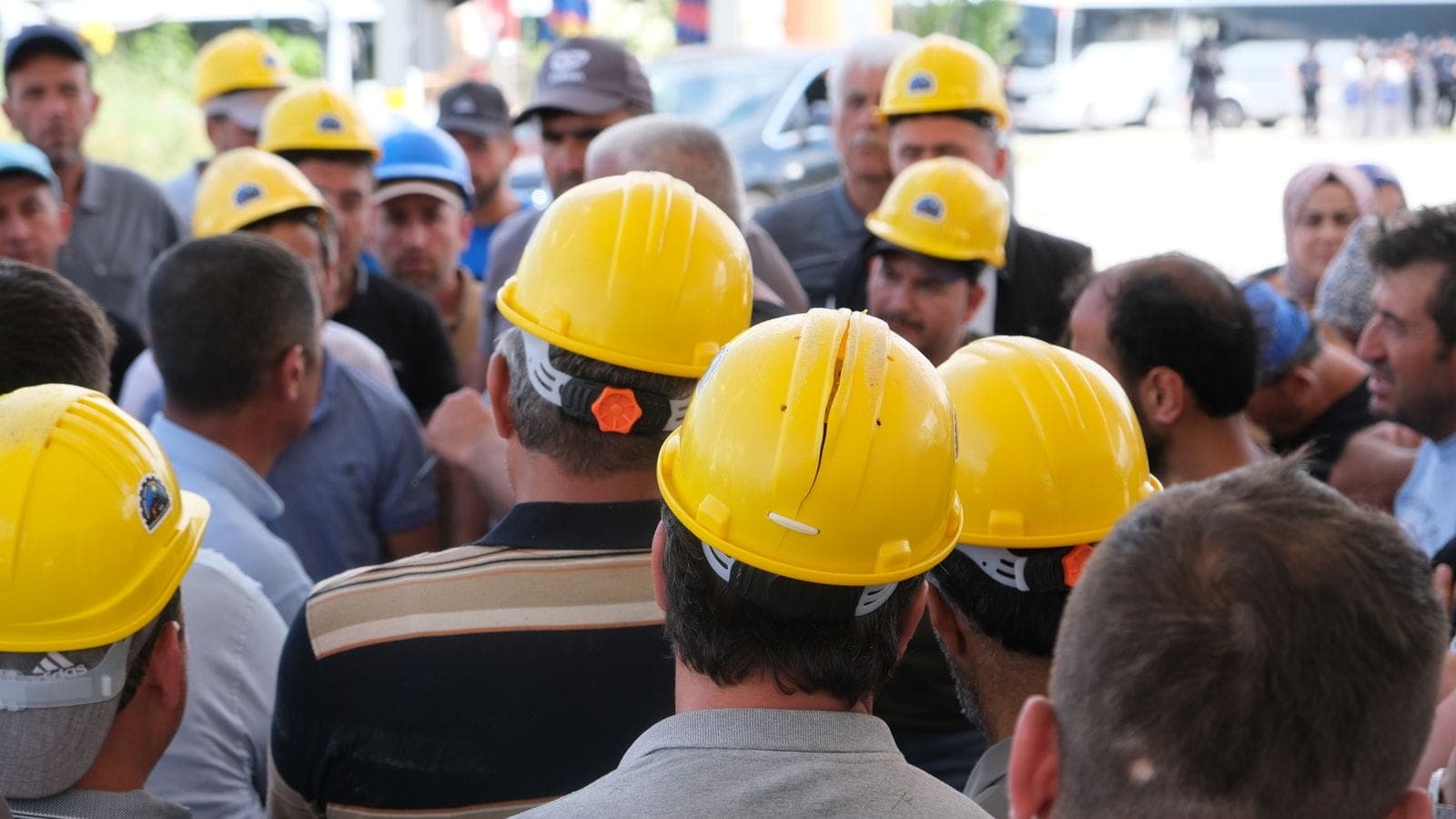
Operations
Daily Standups for Multisite Construction Teams
Coordination across a portfolio of active projects requires a daily cadence. The question is how to structure that cadence so it adds clarity without consuming hours.
The Coordination Problem at Scale
A single project benefits from daily standups. A portfolio of 20 active projects breaks the standard standup format. You cannot run a 30-minute meeting where every project gets airtime, and the projects that need attention today are not the same ones that needed attention yesterday.
Getting this wrong is expensive in a way that rarely shows up on a change order. Research by PlanGrid and the consultancy FMI put the annual cost of rework and other non-optimal activity in US construction at roughly $177 billion, and attributed nearly half of that rework to poor communication and inaccessible project data. Coordination is not overhead on top of the work. It is part of the work, and it is where a large share of avoidable cost is created. A Quickbase survey found the same pattern from the individual's side, with workers losing double-digit hours every week chasing information across disconnected systems.
Multisite construction teams need a different coordination structure. The goal is to surface issues that need action, allocate resources to the projects that need them most, and avoid the trap of equal-time-for-every-project that turns standups into status theater.
Two-Tier Standup Structure
The format that works for most multisite operators is a two-tier structure. Project-level standups happen on each active project (often run by the GC superintendent with the owner's PM joining as needed). Portfolio-level standups happen at the operator level, focused on cross-project issues, resource conflicts, and projects that need escalation.
The project-level standup handles the day-to-day coordination on each site. The portfolio-level standup handles the questions only the operator can answer: Where do we move our regional PM today? Which project gets the senior superintendent? What permit issue needs an executive call?
What Goes in a Portfolio Standup
A 15-minute portfolio standup covers four things and nothing else.
- Projects that have shifted from green to yellow or yellow to red since yesterday (and what changed)
- Resource conflicts that need a decision today
- External blockers (permit holds, vendor issues, client changes) that the team needs help with
- One-day-out commitments (something a team member needs from leadership in the next 24 hours)
Status Reporting Without the Meeting
Most projects do not need to be discussed in the meeting. They need to be visible. A portfolio dashboard that shows the current health of every project, updated daily, lets the meeting focus only on what is changing or needs decisions.
The dashboard does not have to be sophisticated. A simple grid showing project name, current phase, schedule status, budget status, and a one-sentence current note is enough. What matters is that it is current and accessible to everyone on the team. The portfolio standup becomes a meeting about exceptions to the dashboard, not a recitation of the dashboard.
What Makes Standups Fail
Most multisite standups fail for one of three reasons. They turn into status reports where every project gets airtime, which makes them too long and too boring to be useful. They become problem-solving sessions where the team tries to resolve issues live, which derails the meeting and prevents it from covering everything that needs attention. Or they happen without a portfolio dashboard, which means the team has to re-explain context every day instead of focusing on what changed.
The fix is discipline. Status goes on the dashboard. Problem-solving happens after the meeting in smaller groups. The standup itself surfaces and decides, not solves. Get those three things right and a 15-minute portfolio cadence keeps a team of 50 aligned across 30 projects.
Sources
The benchmarks cited in this article come from the following industry research.
- PlanGrid and FMI, research on the cost of construction rework and non-optimal activity, reported by Construction Dive - https://www.constructiondive.com/news/industry-could-be-overspending-177b-per-year-study-finds/529450/
- Quickbase, Gray Work Index research on time lost chasing project information across disconnected systems - https://www.quickbase.com/news/press-releases/report-70-percent-of-workers-lose-20-hours-a-week-to-fragmented-systems
The Rollout
The Rollout, in your inbox
A founder's read on retail and multi-site store development. What the latest news means for your pipeline, and what we are building, every couple of weeks.

Written by
Nariman Shariat
Founder, RolloutIQ
Nariman has spent about 20 years opening stores, in the seat between the landlord, the architect, and the general contractor, across some of the largest retail and workplace fleets in the country. Along the way he built the internal platform that ran store development across a fleet, then rebuilt the same idea company after company. He founded RolloutIQ to give multi-site development teams the single source of truth he kept having to build by hand, and writes here about the work of opening and remodeling stores at scale.
More about NarimanKeep Reading
Related Articles
Continue exploring best practices for store development and construction management.
The Construction PM's Action Item Inbox Stops Working at Multisite Scale
A retail operator with 50 active projects has somewhere between 200 and 500 open action items spread across Word docs, OneNote pages, emailed minutes, and Slack threads at any given moment. The assignee has no single place to see what they owe. Here is what the inbox needs to do at multisite scale.
The Complete Guide to Multi-Site Construction Management
Managing construction across multiple sites simultaneously requires a fundamentally different approach than single-project management. Here is your complete guide.

Reducing Delays in New Store Openings: A Practical Guide
Every delayed store opening costs money in lost revenue, extended rent obligations, and team morale. Here are the practical strategies that top operators use to hit their dates.
Document Management Best Practices for Construction Projects
Poor document management costs construction teams hours every week and creates real project risk. Here are the best practices for getting it right across your portfolio.
Ready to Build Smarter?
See how RolloutIQ™ can streamline your retail and multi-site rollout program. Book a personalized demo with our team.